
Woven Interlining
Enhancing Every Garment
Precision Craftsmanship, Integrity in Action
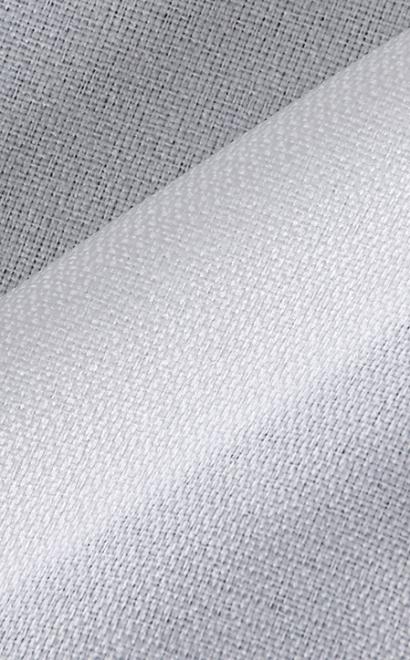
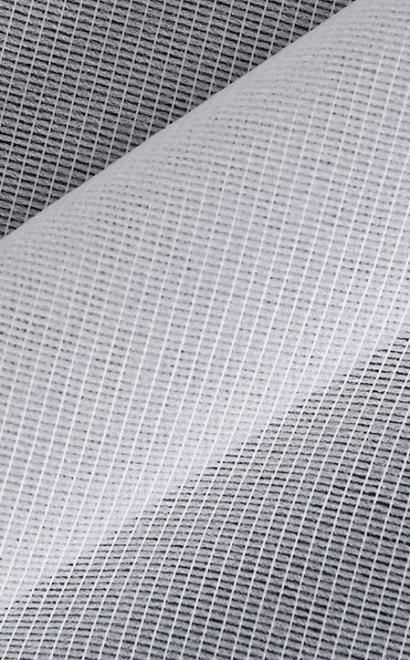
Our Woven Fusible Interlining uses strong weaving methods to improve garment shape and quality. It is made from tightly woven warp and weft yarns. This gives controlled stretch and steady support for collars, cuffs, plackets, waistbands, and front panels. The fabric keeps its shape after cutting, sewing, and repeated washing.
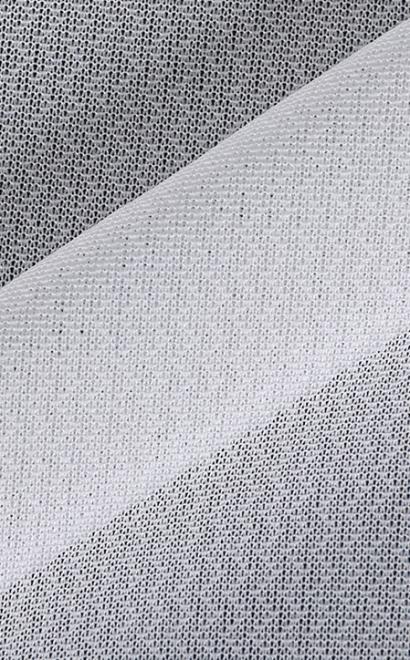
Our products come in fused and Non-Woven Fusible Interlining options. They offer firm bonding, a smooth hand, and long wear life without bubbles or warping. The interlining fabric works well with cotton, wool, polyester, and blends, and it helps create crisp edges and a neat look.
Our woven interlinings are made for industrial garment production and high-end custom work. They give steady results and help brands make strong, neat, high-quality garments.
We believe good garments start from the inside. Woven interlining is a key part of garment build. It gives shape, support, and long life. Our woven interlining solutions are made for fine tailoring and premium apparel, using advanced textile engineering and strict quality checks to meet the needs of apparel makers worldwide.
Product Functions and Uses |
|
Woven Fusible Interlining is a support layer between the outer fabric and the lining of a garment. It helps the garment keep its shape while staying comfortable. Main Functions
Common Uses
|
Product Features |
|
Our woven interlinings use chosen yarns and skilled weaving methods. This gives steady quality, reliable bonding, and strong performance. Key Features
|
Product Specifications and Parameters |
|
We offer woven interlining in many specs to meet different garment needs and production standards. Typical SpecificationsMaterial composition:
Weave types:
Weight range:
Width:
Coating type (for fusible interlining):
Shrinkage rate:
Color options:
|
Applicable Industries |
|
Our woven interlining products are used in many industries where quality, durability, and shape are important. Industries Served
|
Q&A |
What is the main purpose of woven fusible interlining in garment construction?Short answer: Woven fusible interlining is a support layer between the outer fabric and the lining. It helps keep shape, improves stability, strengthens high-stress areas, improves drape, and gives a clean, tailored look. Which garment areas commonly use woven interlining?Short answer: Woven interlining is often used in shirt collars and cuffs, suit and blazer front panels, waistbands, plackets, pocket flaps, dress bodices, and reinforced areas in uniforms and workwear. These areas need extra support and durability. What materials and specifications are available for the woven interlining products?Short answer: The products come in 100% cotton, polyester/cotton blends, and polyester/viscose blends. Common weave types include plain weave and twill weave. Weight ranges are 60--150 GSM, with standard widths of 90 cm, 112 cm, and 150 cm. Custom weights and widths are also available. How do woven interlinings differ from non-woven interlinings?Short answer: Woven interlinings use warp and weft yarns. This gives them better direction control, strength, and steady garment performance. Non-woven fusible interlining is also available. It gives strong adhesion, a smooth feel, and good wear life, but woven styles are better when structure and long-term stability matter. What industries can use Jiaxing Rainbow (UBL) Interlining Co., Ltd.'s woven interlining products?Short answer: These woven interlining products work well for garment manufacturing, fashion and apparel brands, uniform and workwear production, tailoring and bespoke clothing, school and corporate uniform suppliers, and export-oriented apparel factories. |