Enhancing Every Garment

Nonwoven interlining is a type of fabric reinforcement made by bonding fibers together rather than weaving or knitting. This process produces a lightweight, isotropic material that can be cut in any direction without worrying about grainline. Nonwoven interlining is available as fusible, which has an adhesive backing activated by heat, or sew-in, which requires stitching into garments. It provides stability, shape, and support to fabrics in clothing and home textile projects.
Nonwoven interlining offers advantages over woven interlining, including lower cost, easier cutting, and greater versatility. It can be used on a wide range of fabrics and project types, making it suitable for both delicate and heavy fabrics. Nonwoven interlining simplifies workflow and reduces fabric waste, while providing effective support where needed.
Lightweight nonwoven interlining is ideal for delicate fabrics such as silk, chiffon, and light cotton. It provides gentle structure for collars, cuffs, waistbands, and bodices without affecting the drape or softness of the fabric. This type of interlining ensures garments retain natural movement while offering support.
Medium-weight and heavyweight nonwoven interlining are used when more structure is needed. Medium-weight interlining works well for shirts, jackets, and everyday garments, providing a balance of support and flexibility. Heavyweight interlining is suitable for structured coats, bags, upholstery, and home textiles, adding rigidity and shape retention for durable projects.
Fusible nonwoven interlining has an adhesive backing that bonds to fabric with heat. It is ideal for flat areas such as collars, cuffs, and facings. Sew-in interlining does not have adhesive and is stitched into garments, offering flexibility for delicate fabrics or stretchable materials. Choosing the right type depends on fabric characteristics and the desired garment structure.
To apply fusible nonwoven interlining, first pre-wash and press the fabric. Place the adhesive side of the interlining against the wrong side of the fabric, cover with a pressing cloth, and apply heat and pressure according to instructions. Allow the fabric to cool before handling. For sew-in interlining, baste or stitch along seam allowances to provide support without adhesives. Testing on a scrap piece first ensures proper adhesion and prevents fabric damage.
Selecting the correct weight of nonwoven interlining is crucial. Lightweight interlining suits delicate fabrics, medium-weight works for general garments, and heavyweight is ideal for structured items and home textiles. Consider both fabric type and intended use to achieve optimal structure and drape.
Improper selection or application of nonwoven interlining can lead to stiffness, fabric distortion, or poor adhesion. Avoid using too heavy interlining on lightweight fabrics. Follow correct fusing temperature and pressure for fusible types. Test on fabric scraps to prevent damage and ensure the desired finish.
Nonwoven interlining is useful in upholstery, curtains, and cushions to add structure and stability. It helps maintain shape, prevents sagging, and is a cost-effective solution for home textile projects. Selecting the appropriate weight and application method is key for durability and performance.
Nonwoven interlining is cost-effective, versatile, and easy to use. It simplifies cutting, reduces fabric waste, and adapts to various garment and home textile applications. Fusible and sew-in types offer flexibility for different fabrics and project requirements.
Nonwoven interlining may have lower durability compared to woven interlining. Improper weight selection or incorrect fusing can affect drape, stiffness, and long-term performance. It may not be suitable for heavy-duty, high-wear projects without careful consideration.
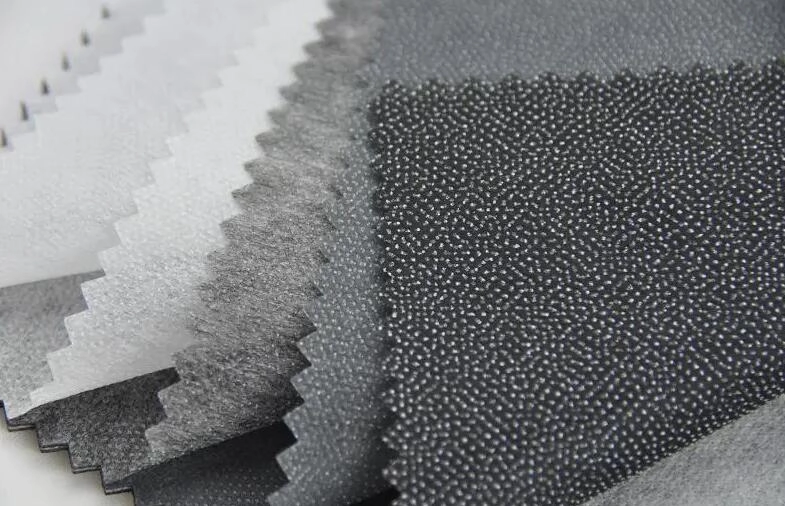
For a cotton dress, lightweight nonwoven interlining (20-40 GSM) is best for maintaining soft drape, while medium-weight (40-80 GSM) provides more structure for collars or waistbands. Always test on a scrap piece first.
Nonwoven interlining may reduce stretch on knit fabrics. Use lightweight or sew-in interlining to preserve flexibility. Always test on a fabric scrap to ensure the desired stretch and drape are maintained.
Pre-wash and press the fabric. Place adhesive side down, cover with a pressing cloth, and apply heat and pressure according to instructions. Allow the fabric to cool fully before handling. Testing on scrap fabric is recommended to prevent damage.