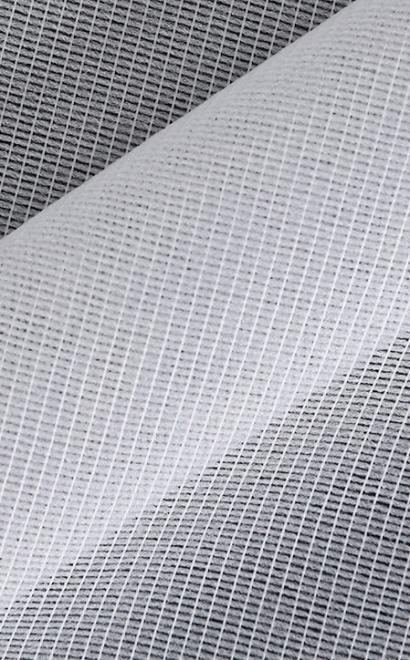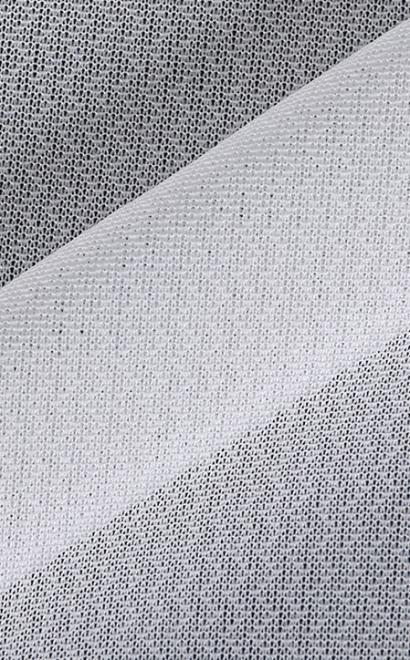

Woven Interlining
Enhancing Every Garment

In response to the frequent movement characteristics of trench coats in daily wear and the durability requirements of load-bearing areas such as pockets, Jiaxing Ruibai Textile Interlining Co., Ltd. adopts a "functional adaptation" design concept. By precisely matching the mechanical requirements of different areas with the performance parameters of interlinings, a dynamic balance between strength, elasticity, and lightness is achieved.
Series 4 tricot and Series 7 plain-weave interlinings may be considered for trench coat backs, pockets and other reinforcement areas. Tear strength, bonding and durability should be confirmed for the selected model, shell-fabric combination and test method. A single strength value does not guarantee long-term garment performance.
Based on the structural differences in the functional areas of trench coats, a gradient configuration strategy is adopted for the gram weight of interlinings:

22g-60g weft or warp-weft bidirectional elastic interlining, adapting to different pattern designs through a wide gram weight range, balancing overall silhouette support and freedom of movement during dynamic activities.
Consider 22g-35g weft or warp-weft bidirectional elastic interlining, to support the collar, placket and edge structure while reducing the restrictive feeling on neck, wrist, and waist movements.

Selecting 22g-35g lightweight weft or warp-weft bidirectional elastic interlining to meet the functional requirements of detail areas with minimal weight addition.
These weight ranges are selection references. Confirm the model specification and test fusing, appearance, strength, shrinkage and care performance with your actual fabric and production conditions.