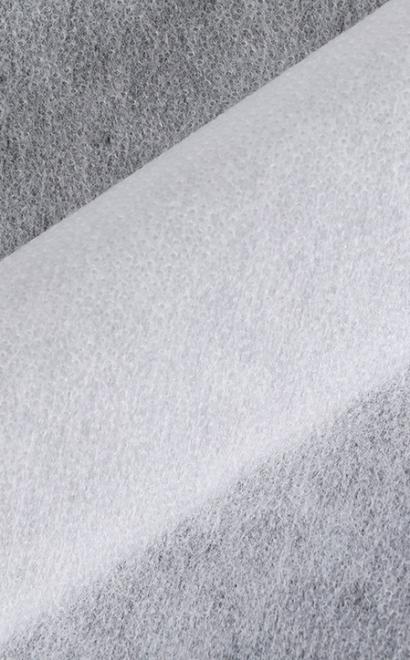
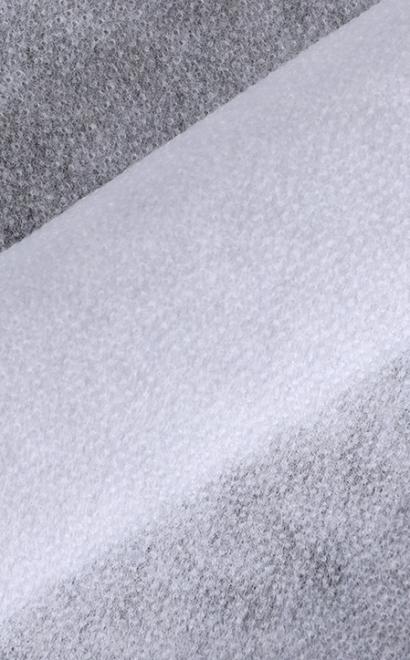
Non-woven Interlining
Enhancing Every Garment
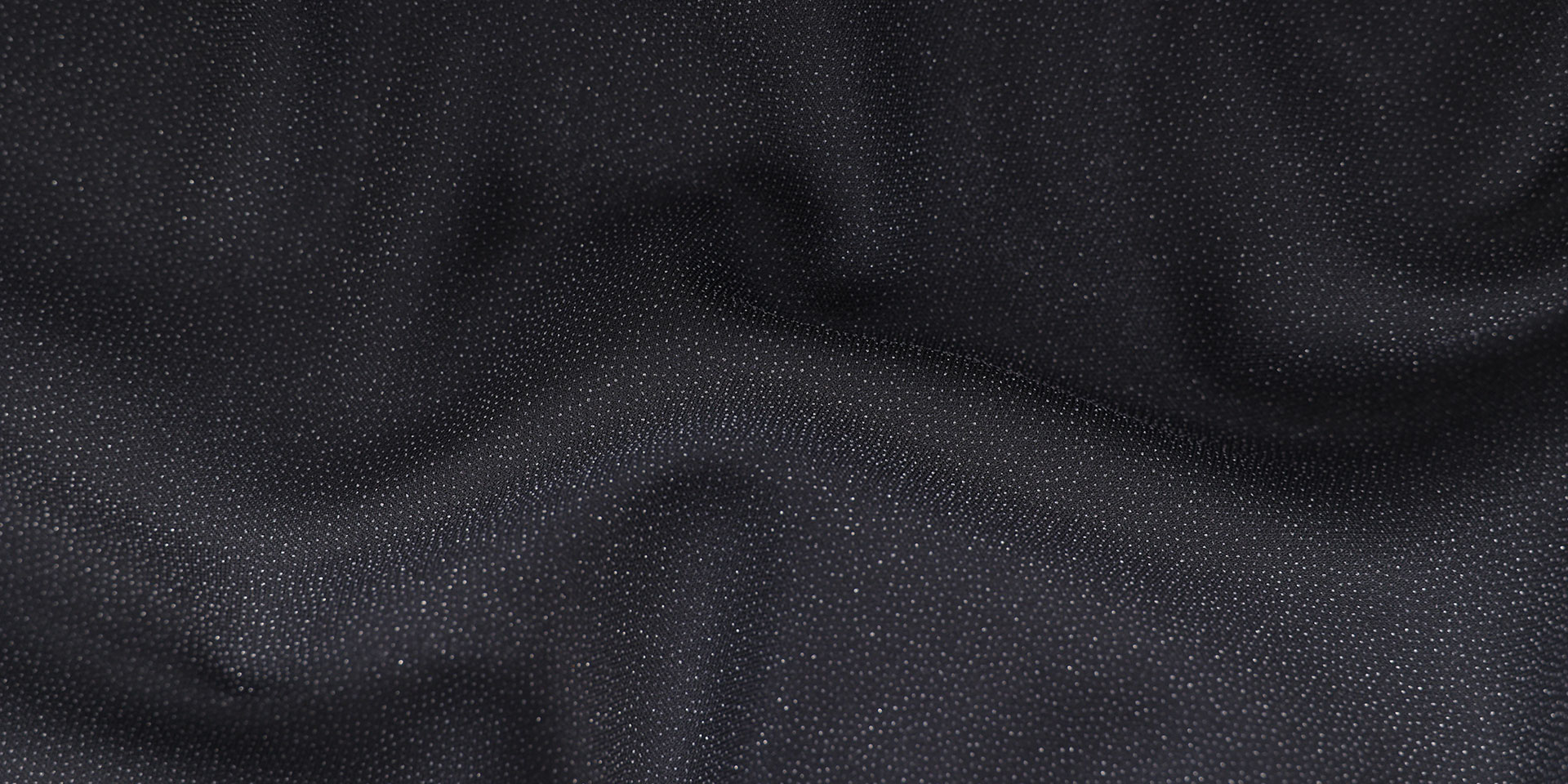
Precision Craftsmanship, Integrity in Action
Our premium Non-woven Interlining gives garments support and shape. It helps create a neat finish in apparel and textile work. Made from top-grade fibers with a bonding method, this interlining has strong shape stability. It resists shrinkage and warping during production, so fabrics stay neat and even.
The material is light but tough, so it is easy to handle, cut, and sew. This speeds up production without lowering quality. It works well with silk, cotton, polyester, and many blends.
It suits collars, cuffs, waistbands, and facings. These are the areas that need support and shape. The even texture and thickness make it easy to fuse or sew. It keeps its drape, holds its form, and helps garments look their best.
Choose our non-woven interlining for a reliable, high-performance solution. It brings precision, strength, and better looks to every piece. As a trusted maker and supplier of interlining products, we build non-woven interlining solutions for apparel, home textiles, and industrial use. Our production methods keep quality steady and deliver real-world value. We help makers work faster and produce better finished goods.
Product Functions and Uses |
|
Non-woven interlinings are mainly used to add support and keep shape in textiles. As an inner support layer, they improve how garments look, how long they last, and how they feel, without adding much weight. Main functions include:Shape stability: Keeps collars, cuffs, plackets, waistbands, and facings in shape. Size control: Reduces stretch, warp, and wrinkles during wear and washing. Enhanced durability: Supports high-stress spots and helps products last longer. Ease of handling: Makes cutting, sewing, and assembly easier. Improved aesthetics: Gives smooth lines and a cleaner silhouette. Non-woven interlinings are widely used in:Shirts and women's shirts Suits, jackets, and coats Dresses and skirts Casual wear and uniforms Hats, bags, and accessories Some home and industrial textiles |
Product Features |
|
Our non-woven interlinings are designed for performance, stability, and speed from the start. Key features include:Even fiber spread for steady support Strong bonding for heat-seal use Soft feel with several stiffness options, balancing comfort and structure Highly breathable without losing strength Keeps good shape after many washes and wears Works with many fabrics, including cotton, polyester, blends, and light knits Cost-effective and efficient, meeting both mass production and custom needs Available in heat-sealing and non-heat-sealing versions for different jobs. |
Product Specifications and Parameters |
|
We offer many specs to meet different market needs. Custom options are available on request. Typical parameters include:Material composition: Polyester, viscose, or blended fibers Weight range: Usually 20--120 GSM (custom weights available) Width: 90 cm to 150 cm Color options: White, black, charcoal, and custom colors Coating type (for fusible interlining): PA, PES, or custom adhesive systems Shrinkage: Controlled to meet garment standards Handfeel: Soft, medium, or firm Roll length: Set to fit packing and logistics needs All products are checked to keep batch quality even. |
Applicable Industries |
Non-woven interlining is used across many industries, including:Garment and fashion manufacturing Uniform and workwear production Home textiles Accessories and luggage manufacturing Industrial and technical textiles Promotional and custom textile products Its wide use and low cost make it a key material in large-scale production and custom manufacturing. |
FAQ |
What is non-woven interlining mainly used for?Short answer: Non-woven interlining is mainly used as an inner support layer in garments and textiles. It helps reinforce key areas such as collars, cuffs, plackets, waistbands, and facings, which improves shape retention, durability, comfort, and overall appearance without adding much weight. Can UBL non-woven interlining be custom-made for different garment needs?Short answer: Yes. UBL offers custom non-woven interlining solutions based on weight, texture, finish, handfeel, color, width, roll length, and adhesive type. This makes the material a good fit for both boutique labels and large-scale apparel makers. Which fabrics work with this non-woven interlining?Short answer: The interlining works with a wide range of fabrics, including cotton, polyester, silk, blends, and light knits. It is made to give steady support while staying breathable, comfortable, and consistent across textile uses. What is the difference between heat-sealing and non-heat-sealing versions?Short answer: Heat-sealing versions are made for fusible use and use adhesive coatings such as PA, PES, or custom systems to bond with fabric under heat. Non-heat-sealing versions are used when sewing or other methods are better, based on the garment build and production needs. What industries can benefit from UBL non-woven interlining?Short answer: UBL non-woven interlining is useful for garment and fashion manufacturing, uniform and workwear production, home textiles, accessories and luggage, industrial and technical textiles, and promotional or custom textile products. Its wide use makes it useful for both high-volume production and special jobs. |