Enhancing Every Garment

Shirt interlining provides support in selected areas such as collars, cuffs and plackets. The required shape and handfeel depend on the shell fabric, shirt design and care process. Compare the construction and adhesive of the actual model before choosing a sample.
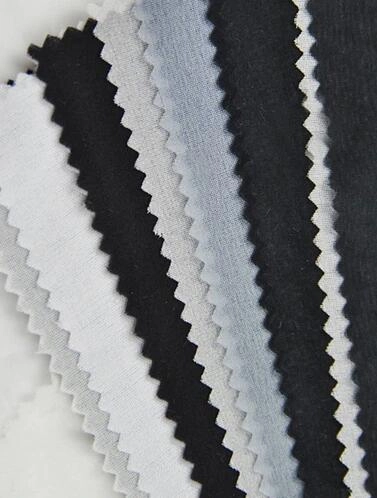
A model suitable for one area or fabric is not automatically suitable for another. Evaluate the completed assembly rather than only an unfused sample.
Woven fusible interlining uses an interlaced yarn base. Review the plain-weave PA double-dot range and twill woven models by their current specification.
Nonwoven interlining and interfacing uses a bonded fibre web. Compare the listed nylon, polyester and blended models for the required support, weight and handfeel. If considering Tricot Series 4 or Knitting Series 1, confirm the specific model's base construction, composition and coating.
Fusible interfacing has an adhesive coating that bonds under suitable processing conditions. Sew-in support is attached by stitching. Confirm the proposed model's attachment method and compatibility with heat-sensitive fabrics or finishes. Construction, adhesive and attachment method are separate selection criteria.
There is no single fusing setting or care result for all shirt fabrics and interlinings. See the fusing and interlining selection FAQ for troubleshooting and trial preparation.
Contact UBL for model-selection and sample enquiries. Include the shirt fabric, garment area, target handfeel, intended care process, preferred model if known, width, estimated quantity and destination. Product availability and order arrangements should be confirmed for the actual enquiry.